Wide Angle Macro Photography
Miniature Autumn Gardens of NE Washington
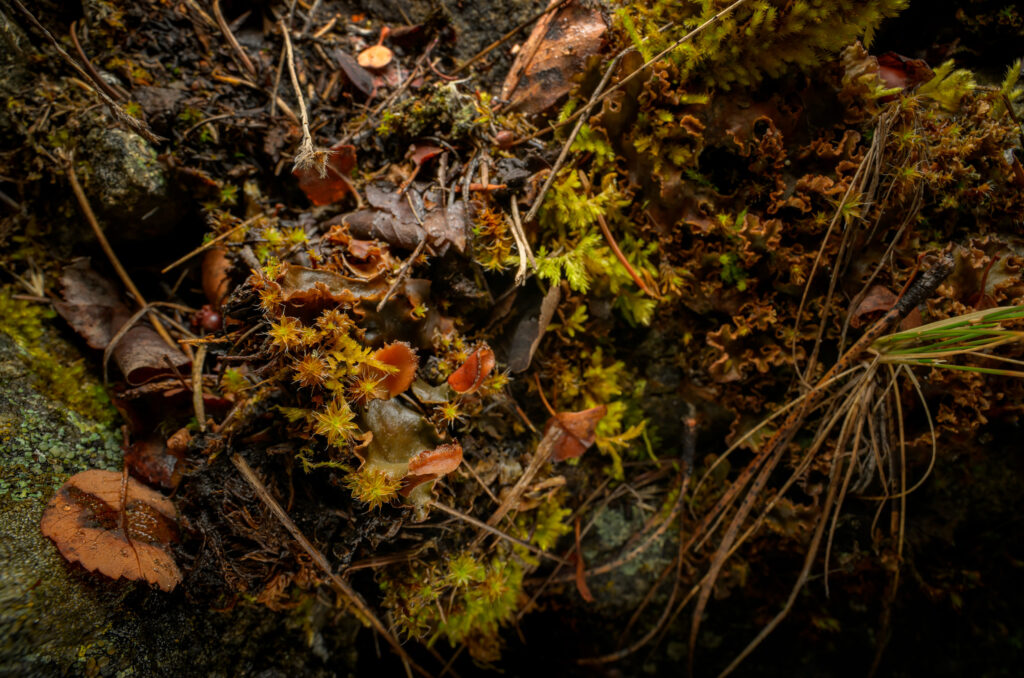
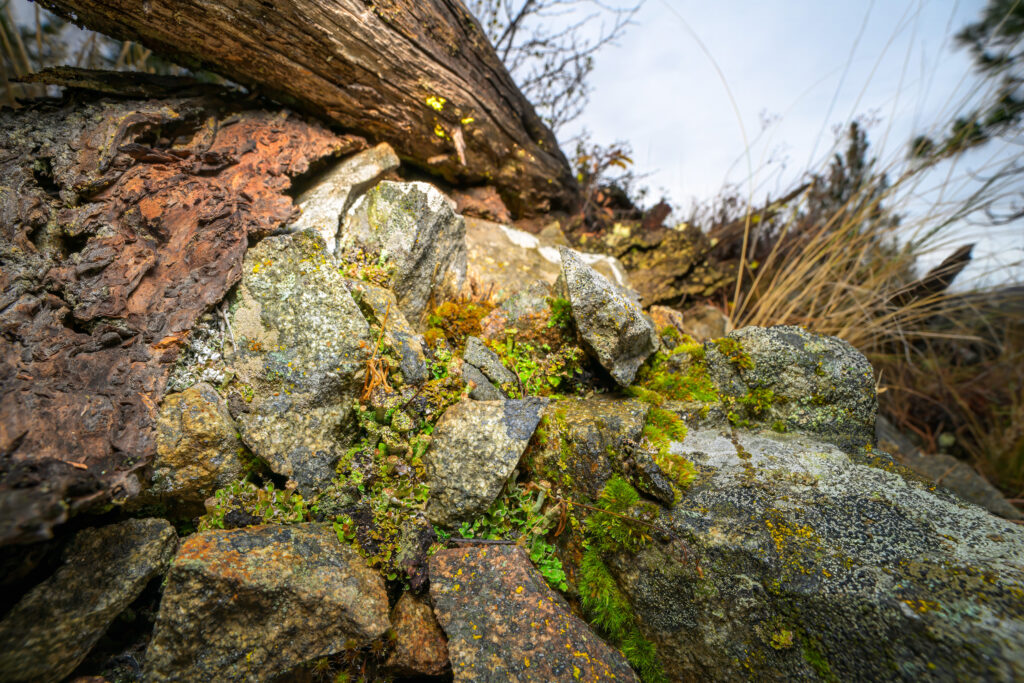
As the migratory birds begin to head South for the Winter, Autumn is an excellent time for macro photography. I find the world of mosses and lichens fascinating. It doesn’t take long for me to lose myself into tiny worlds filled with magnificent gardens of incredible variety. It is no wonder that kids and even adults create tiny villages from natural materials. It’s very easy to imagine mosses cm high as magnificent trees and rock fissures as giant crevasses. Wide angle macro photography is an art form that allows photographers to make images capable of conveying these miniature worlds.
While the idea of creating images of these tiny gardens seems straight forward, this task is far from easy. Those unwilling to be contortionists or crouch on the ground for hours might want to stick to full-size landscapes. Much is conspiring against the macro photographer: physics, mechanics, depth of field, natural elements, and loss of light. Luckily, there are lenses, lights, and other tools available to help us but there are many compromises we need to think creatively about to achieve stunning macro photography.
Photography Meditation
Perhaps you have tried mediation? I came to it out of necessity when my children were very young. I enrolled in a Mindfulness-Based Stress Reduction Course (MBSR). (If you’re interested, I found a free course you could check out.) For many years, I was my children’s everything. My husband was juggling engineering school and a job that took him away for months overseas. Before the six week class was complete, I was able to disappear into quiet, even when surrounded by a playground of screaming children–quite a handy skill for a very tired mom!
Life kept picking up speed and eventually, even these moments were disappearing. I didn’t realize it until I moved to the island and had my face in the water for most of the day. It was there I realized just how hectic life had become and how grateful I was to have found my center again.
One of the modalities we learned in the MBSR class was walking meditation. Photography underwater or on land is like taking walking meditation to the next level. Macro photography–even more so.
Small Wonders Are All Around Us
As I crouched down trying to find an angle that captured the scene best, I noticed some movement. A spider!
I did my best to get the spider into focus but even with using my articulated screen on my Nikon Z8, I still found it challenging with my manual focus lens because of the shallow depth of field and my lighting constraints.
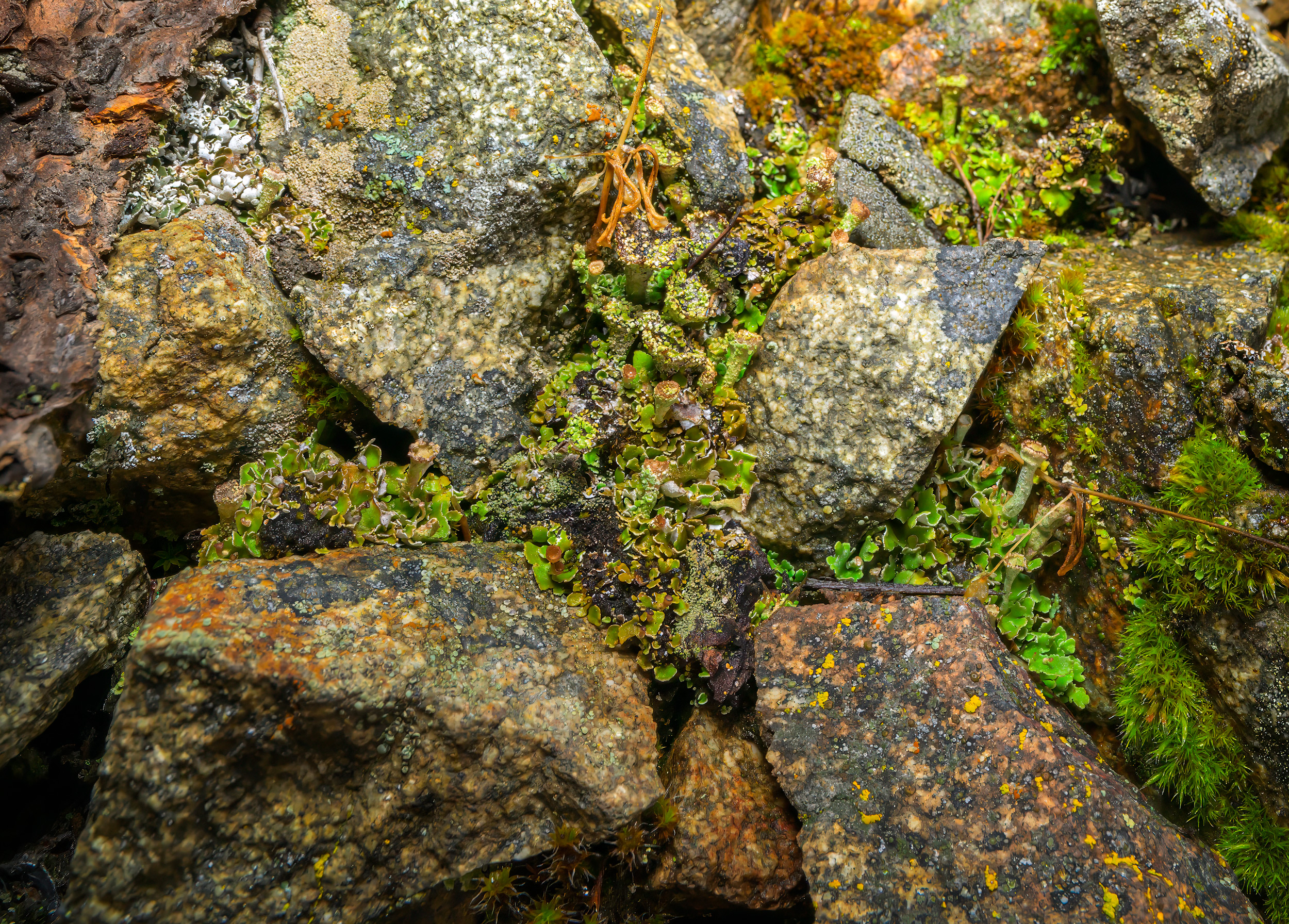
When I see swathes of lichens and mosses, like in these images, I can’t help but be transported into their tiny worlds. To me, these look like magnificent gardens. There’s so many different species packed tightly together. They change with the seasons and when there’s water or drought. Sometimes they flower, hold water droplets, and some even glow under UV light.
I don’t pretend to know what any of these small wonders are. I took a walk with a lichenologist, Jessica Allen from Eastern Washington University. What a nerd! (Very high praise!!) Even she doesn’t definitively know every kind without her microscope! We barely walked far along the trail and she was lit up the entire time as she pointed out various species and answered our questions.
It was amazing to have just a few lichen mysteries revealed to us. Her book co-authored with James Lendemer is titled “Urban Lichens: A Field Guide for Northeastern North America”, which should be on your shelf, if you want to try to identify in NE Washington. If you’re curious what a walk with her is like, she was a guest on Margaret Roach’s podcast, who is a New York Times Gardens Columnist.
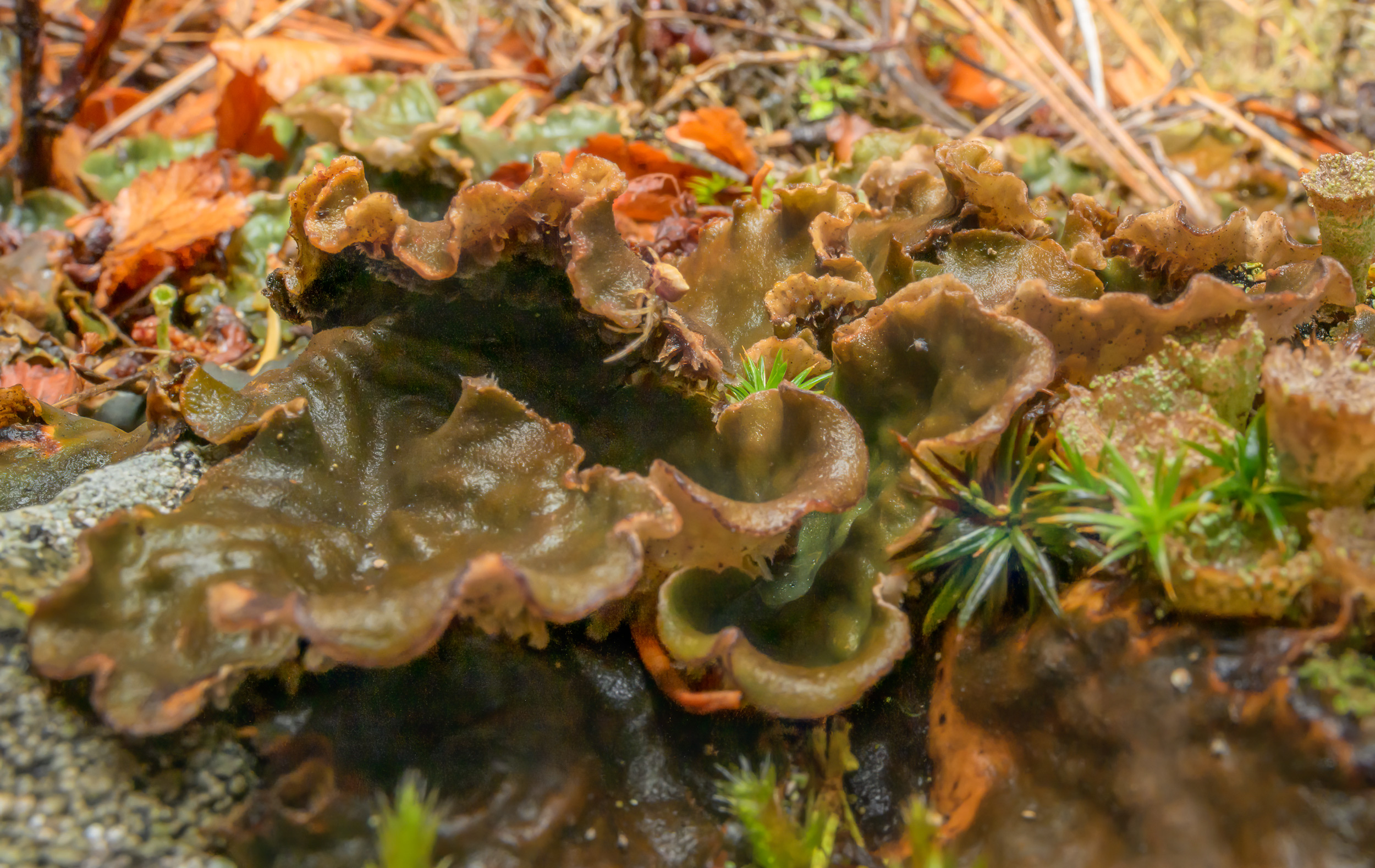
Creating Wide Angle Macro Images
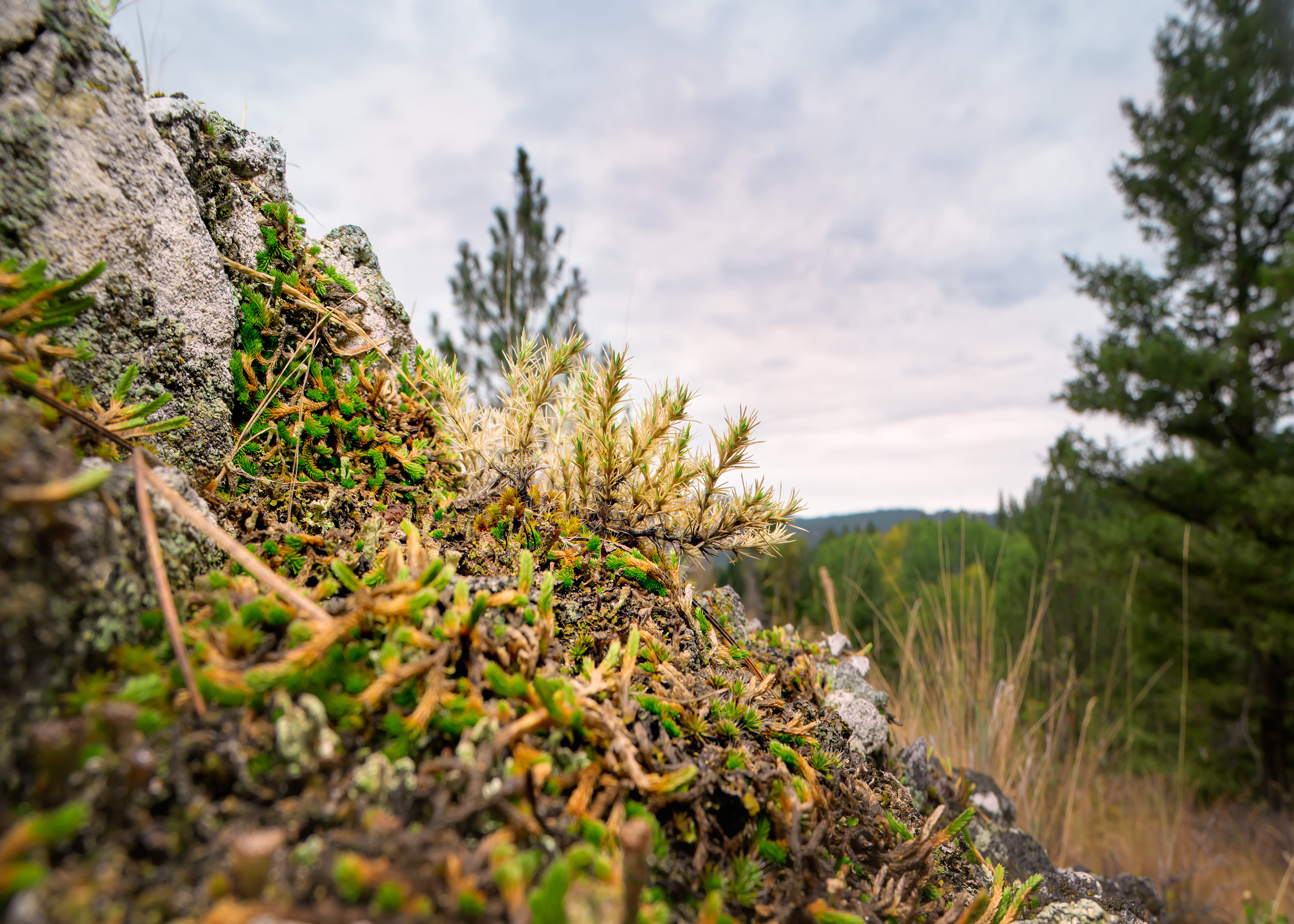
My Macro Photography Toolbox
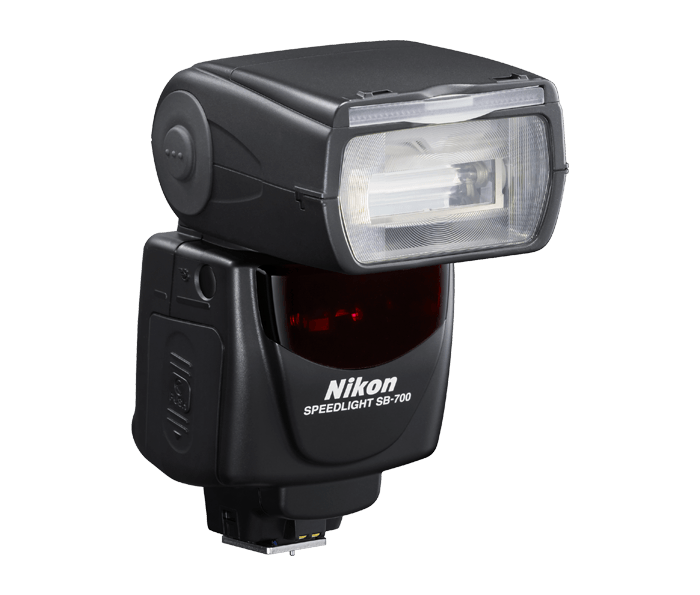
Nikon Speedlight SB-700
I got this Speedlight on Nikon’s Refurbished site. It’s a bit of a fussy thing but it works. The head can move upwards and turn from side to side. I started out using TTL but now I am using it in Manual mode with results that more closely match my vision.
I also have a transmitter and another flash, a Godox that puts out an incredible amount of light. Using off-flash requires all kinds of ingenuity when outside. It requires a bit of finagling to get the light where I want it. I probably should invest in a light stand, or enlist one of my kids to help. Instead, I’ve been using all kinds of props: rocks, bags, a tripod…
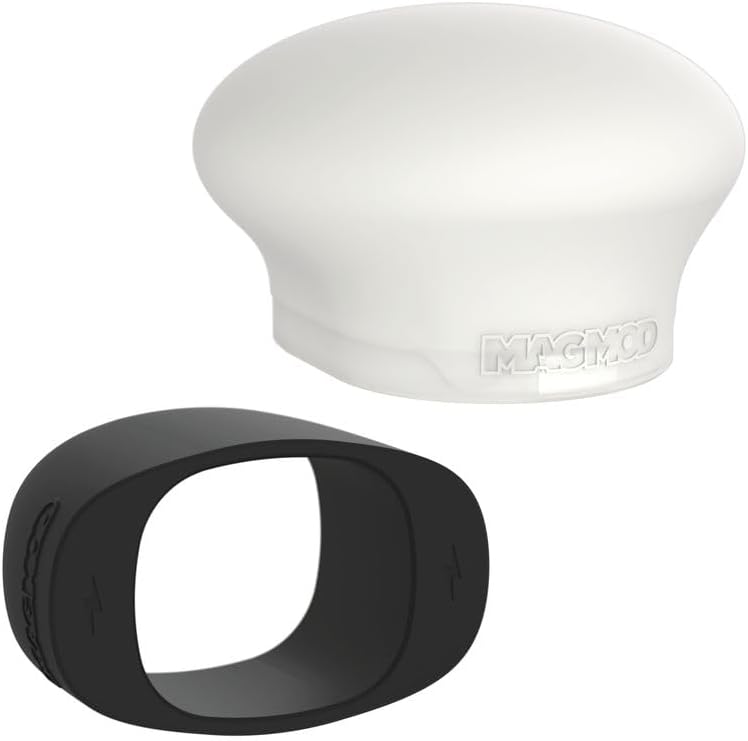
Mag Mod Magnetic Diffuser
I use this diffuser on my Speedlight because the light from the Speedlight alone is way too harsh for my liking. This diffuser spreads out the light beautifully. Even with the diffusion though, with the Speedlight on the camera’s hotshoe, it’s impossible to get the main light to shine where I want because it’s too tall. I need more creative flexibility.
Lately, some articles have popped up where people say they have gone away from this oblong diffuser and are using magnetic domes, instead. I have this already, so I’ll stick with it.
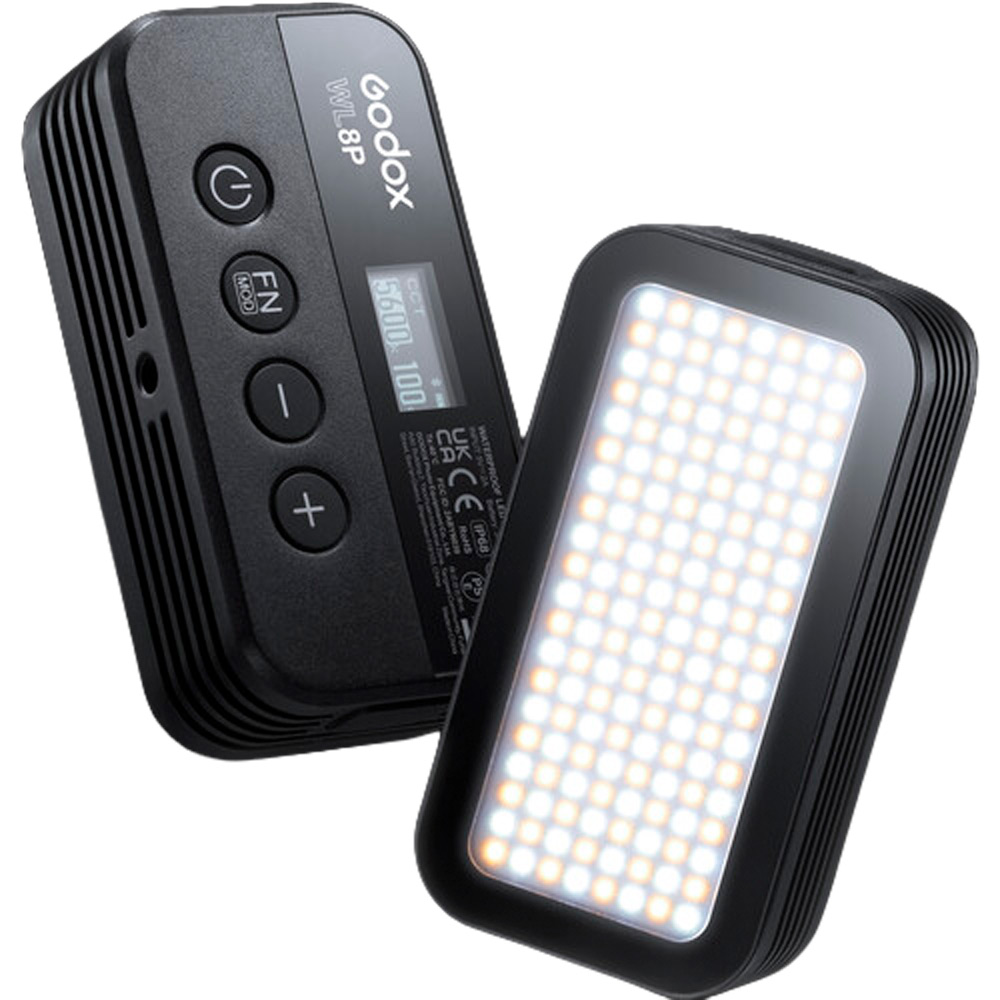
Godox Waterproof LED Light WL8P
This is the LED light I am using with the silicone diffuser it came with. I have a small stand that I have it in and turn it up 100% to 8500K. It illuminates the area very well and acts more as a fill light on the main area I’m trying to make an image of.
I chose this LED light because of its waterproof properties. I flooded my expensive video light just before leaving Kwaj and I haven’t replaced it, yet. This was under $100 and I can attach it to my underwater rig to use in lakes and ponds near me.
I also love that it’s easy to charge and typically begins running out of juice when I’m ready to call it quits for the day.
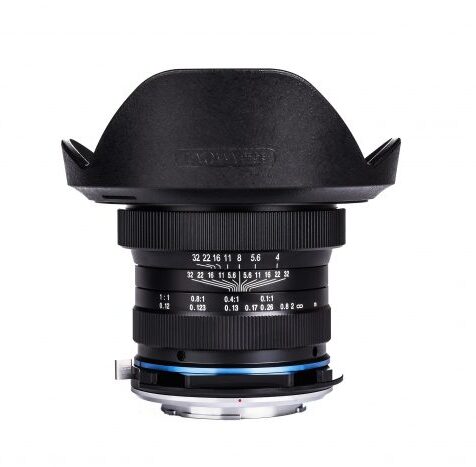
Laowa 15mm f/4 Wide Angle Macro
This is apparently the best option out there for wide angle macro on FX bodies. This is a manual lens and a right pain in the ass but I haven’t found anything else that will allow me to create what I am envisioning. Thankfully, I have an articulating screen on my Nikon Z8 and I am able to use focus peeking colors on the screen to see where the lens is generally focused. I then zoom in closer with my magnifying option on the back of my camera and turn the focus ring until it’s as close to tack sharp as I’m able. Honestly, I’m mostly never completely happy with the results. It could be my old eyes or the lens might just suck…
When I was working on this article, I came across a new mirrorless lens from Laowa, the Laowa 15mm f/4.5 0.5X Wide Angle Macro which will work on my Nikon Z8. It’s under $400, so I’ll give it a try. The EXIF data will be stored as well, which is an improvement from the older lens I am using now.
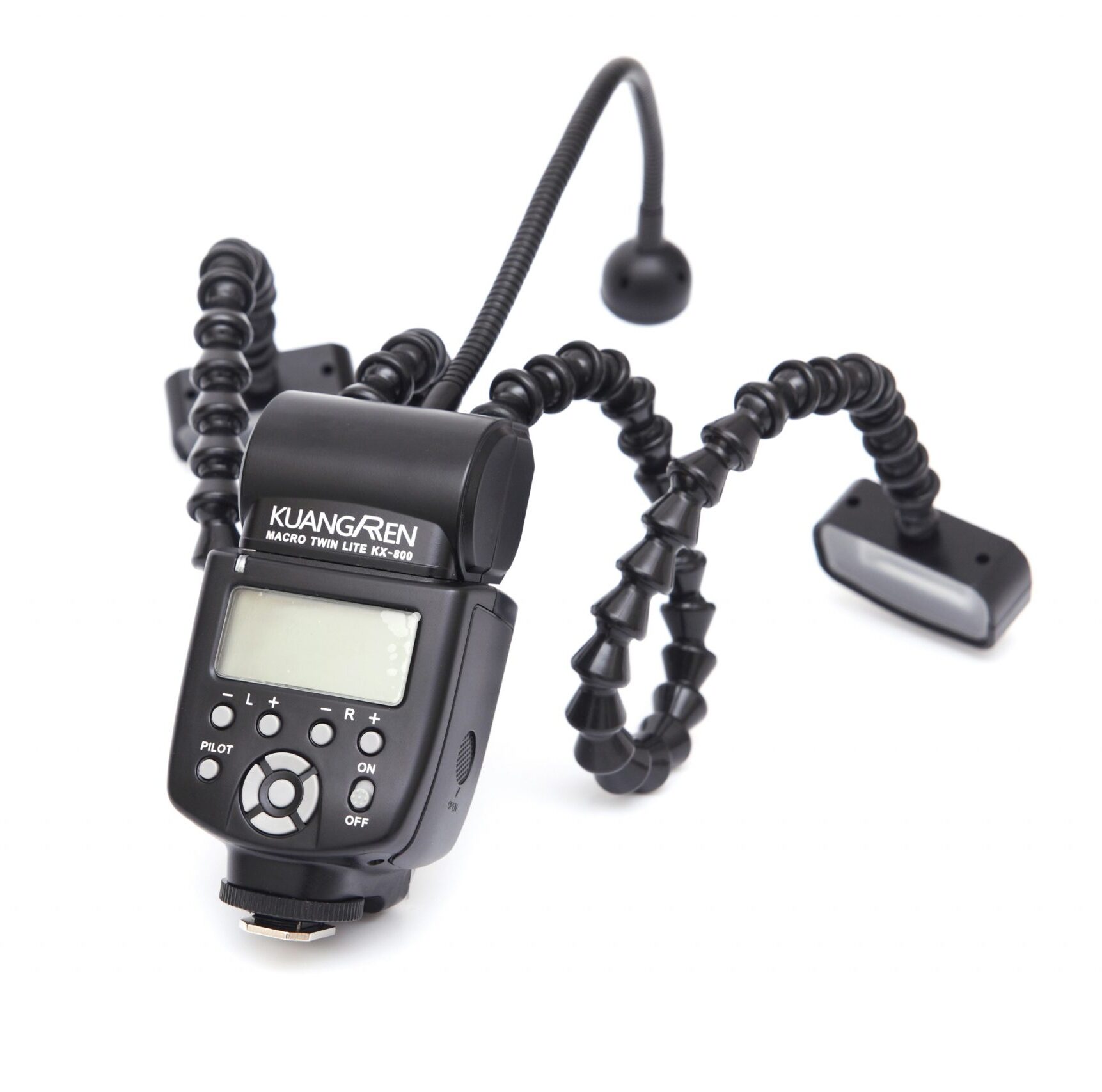
Venus Macro Twin Lite KX-800
This is the Macro Twin Flash from Laowa, which I don’t love. I was hoping it would be like my underwater lighting arms but the light was too bright, even with the stock “diffusers”. It’s also awkward.
I have seen people with some kind of structure they attach articulating arms with a flash on it, which I’m curious about but haven’t figured out how they put it all together.
There’s also the ring-light option, which leaves a circle in the eyes of your subject, which I’m not too fond of. It also doesn’t allow for much creativity. I suppose it would be great for quickly flitting insects…
Macro Photography Lighting Requires Creativity and Perserverance
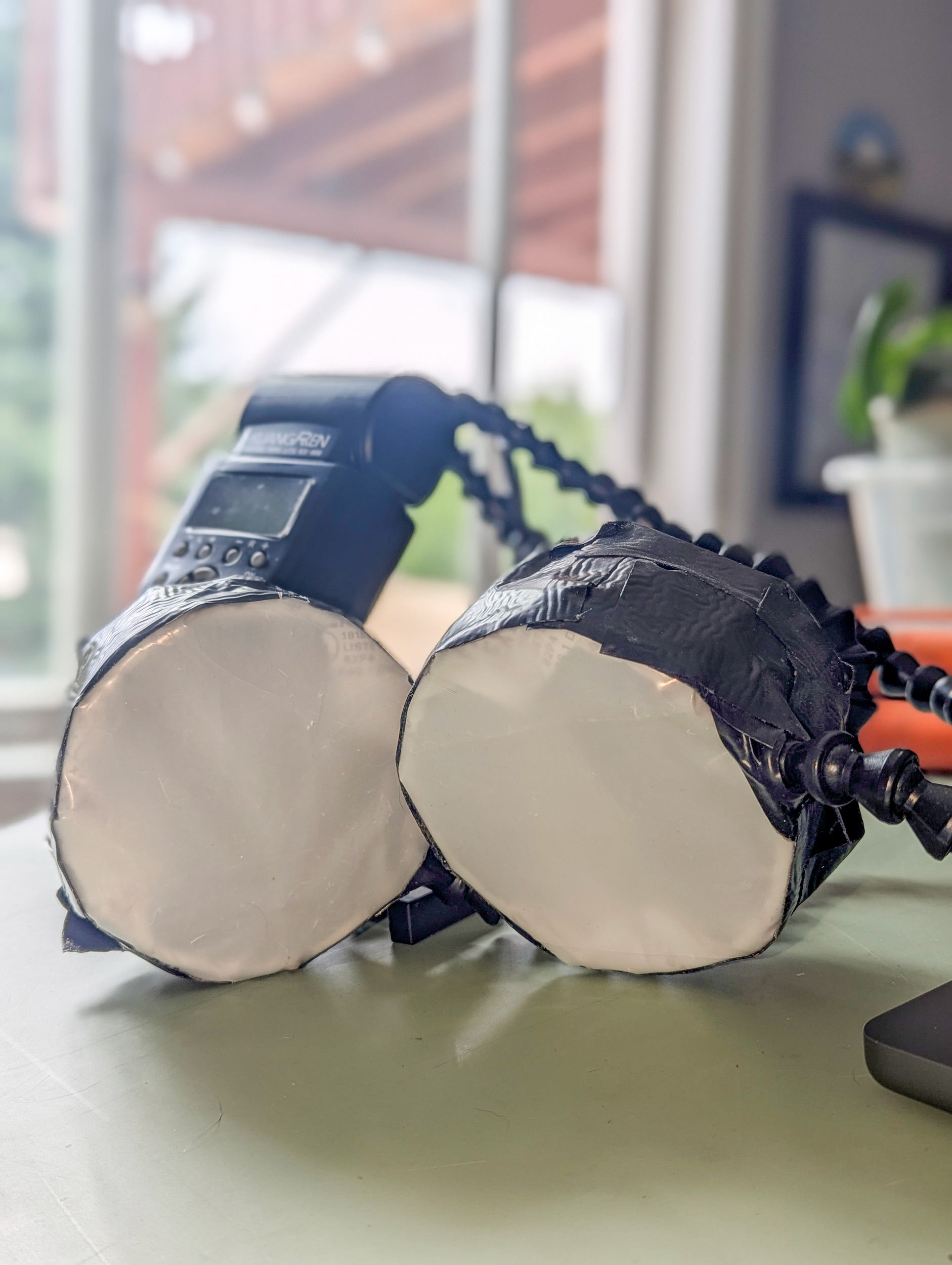
Homemade Diffusers
Besides this lighting setup being clunky and making my entire camera kit feel off balanced, it was also way too bright. I couldn’t find tiny soft boxes for the lights, so I decided to make my own.
I found some tutorials online for a reference and crafted my own diffusers for the Macro Twin Flash.
After a trip to Home Depot and repurposed light boxes, found waterproof tape, and found some plastic that I thought could defuse the light nicely.
Imagine my excitement when it was finally complete and I fired off a test shot. Once. Yeah. Bummer. I haven’t gotten it to fire again.
I think I made the contraption too heavy for my hotshoe and was concerned I had busted the contact points! Luckily, this is not the case. My Speedlight still works fine but somehow the Macro Twin Flash remains mysteriously inoperable.
Maybe it’s worth double-checking the batteries again. That would be a pleasant end to this story.
As you can imagine, it’s important to keep experimenting and questioning your results if you want to improve as a photographer.
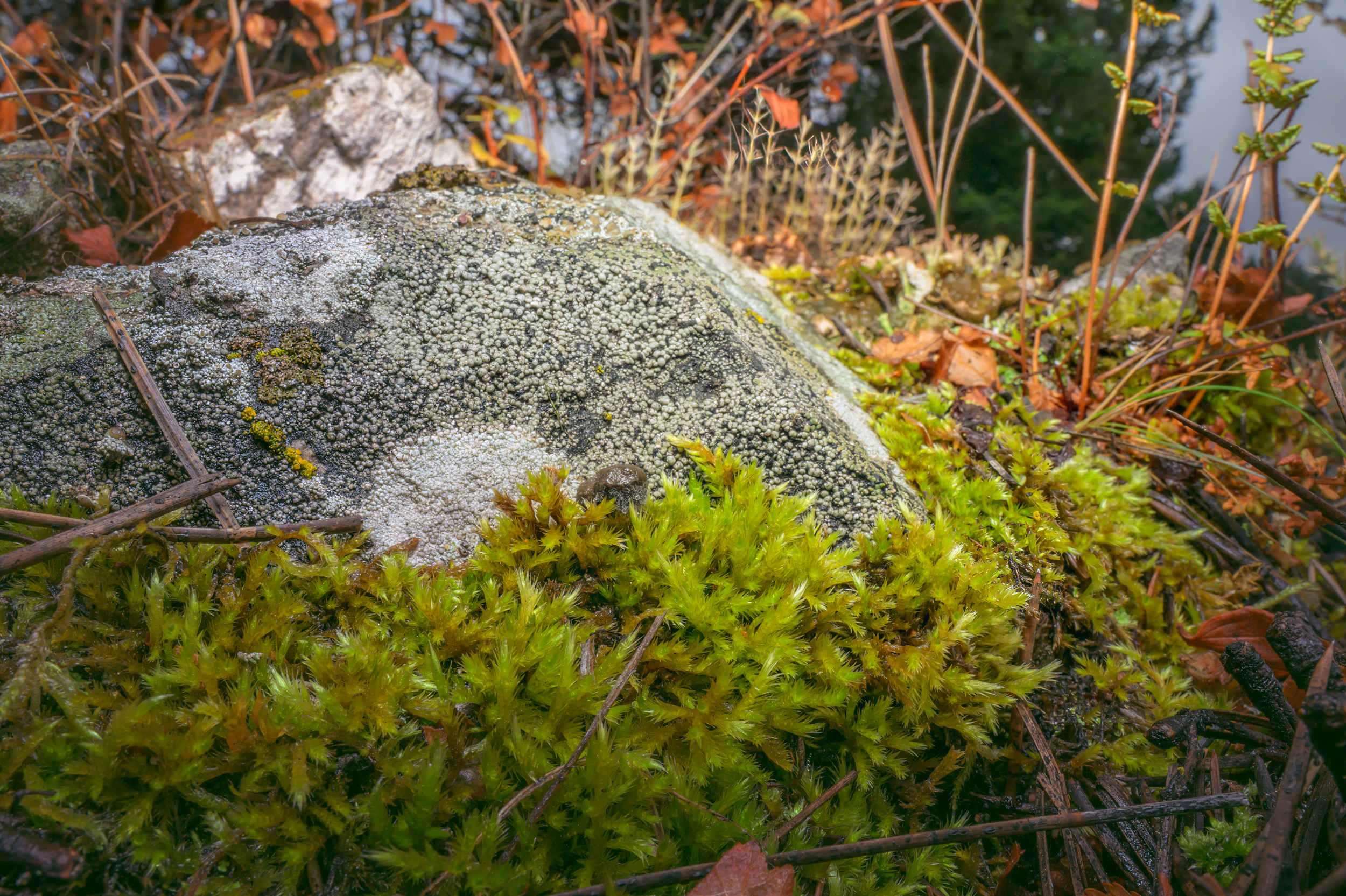
Macro photography requires a bit of contortion to get interesting angles. Your knees will thank you if you bring some sort of pad. If it’s wet, or the ground is damp, I tend to wear my rainpants.
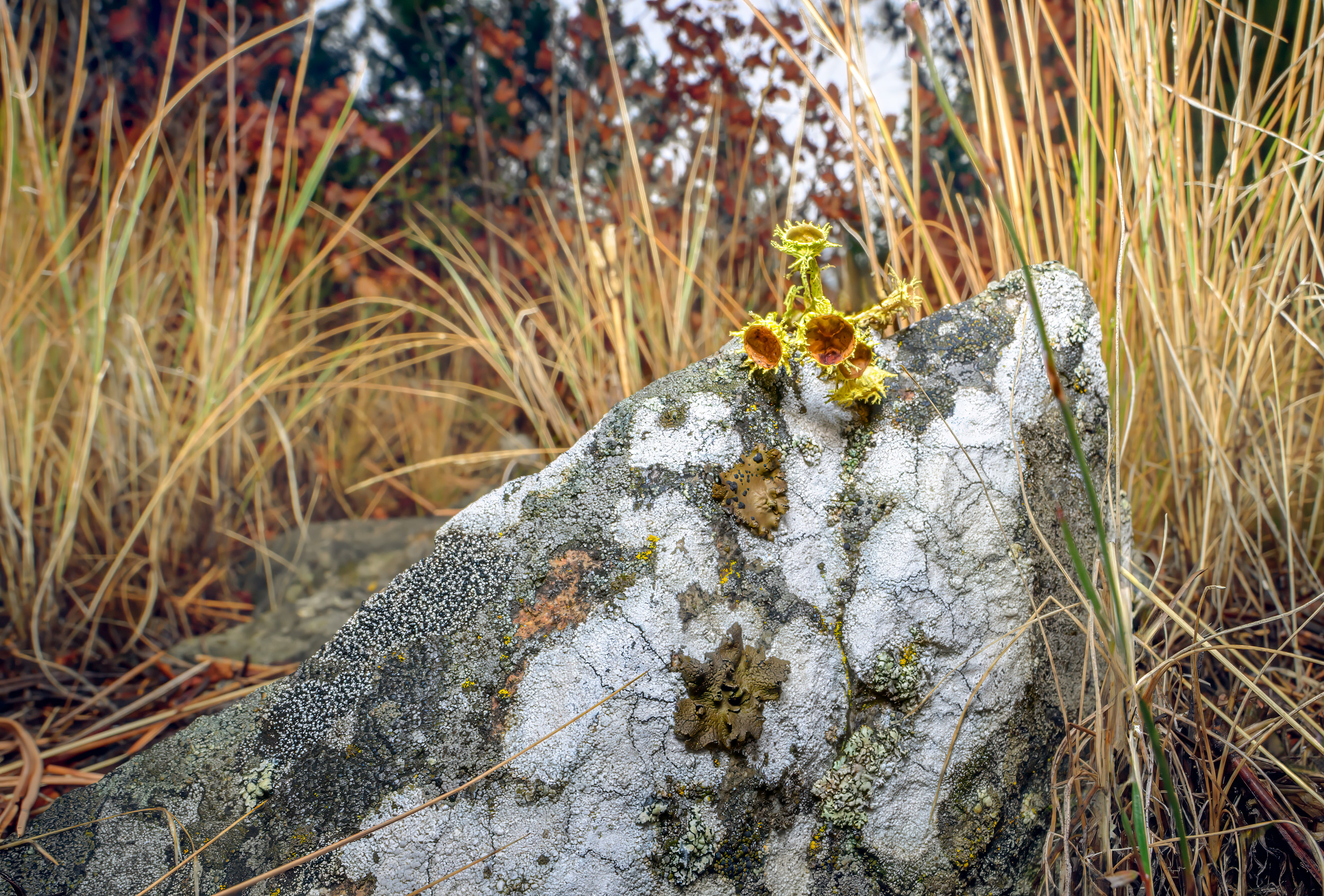
How Does Meditation Figure into Macro Photography?
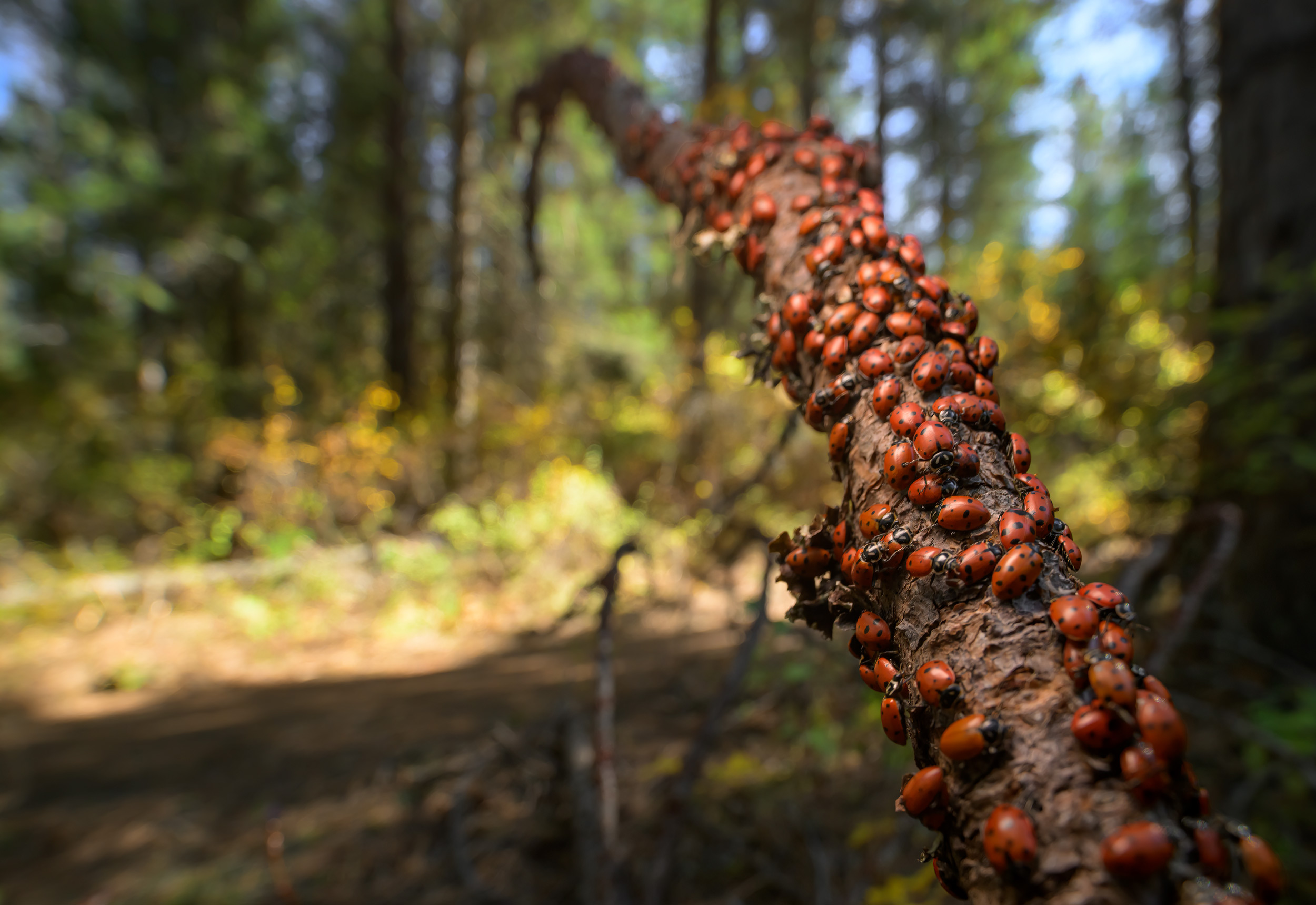
Eventually, you’ll get comfortable with your equipment and that’s when you will start to notice you’ve spent hours in the woods. There’s many terms for this, perhaps “flow” is more apt for you? This term was coined by Mihaly Csikszentmihalyi when describing the highly focused mental state conducive to creativity. For me, it feels like meditation.
I was born in the 70’s and miss the days when smartphones weren’t hijacking people’s attention spans, including my own. My kids are calling it “touching grass”, when they take a screen break and adults are noticing the mental health benefits of stepping out into nature. Japanese culture has started to embrace “forest bathing”, which has been the subject of scientific studies revealing the benefits to human health beginning at the cellular level!
No matter what you call it, there’s a beauty and a welcome simplicity to slowing down and immersing into a task. I find this immersion incredibly rewarding (even when it’s frustrating).
I find when I’m looking for the tiny things, my mind begins to focus and I lose myself, first in the search, then in the making of the images I see with the tools I have. All my tools have their trade-offs and the puzzle is wonderful. I am constantly learning, which is also another mental health benefit that I wasn’t looking for but found in my efforts to create macro images.
Using a Wide Angle Macro Lens for Storytelling
Storytelling requires many prime lenses or a few zoom lenses to bring to life what is found in the field.
When subjects are tiny, it’s easy to get sucked into the wonder and focus on the details that make macro interesting but it’s important to zoom out, otherwise the viewer will not have an understanding of the size of the subject or where it lives.
Most macro is created using a 105mm lens, which typically obscures the setting. Mainly, I use this lens when I want to create images that focus tightly on the subject or when I want a blurred out background (creamy bokeh) with a prominent and highly detailed subject. I have examples of this here.
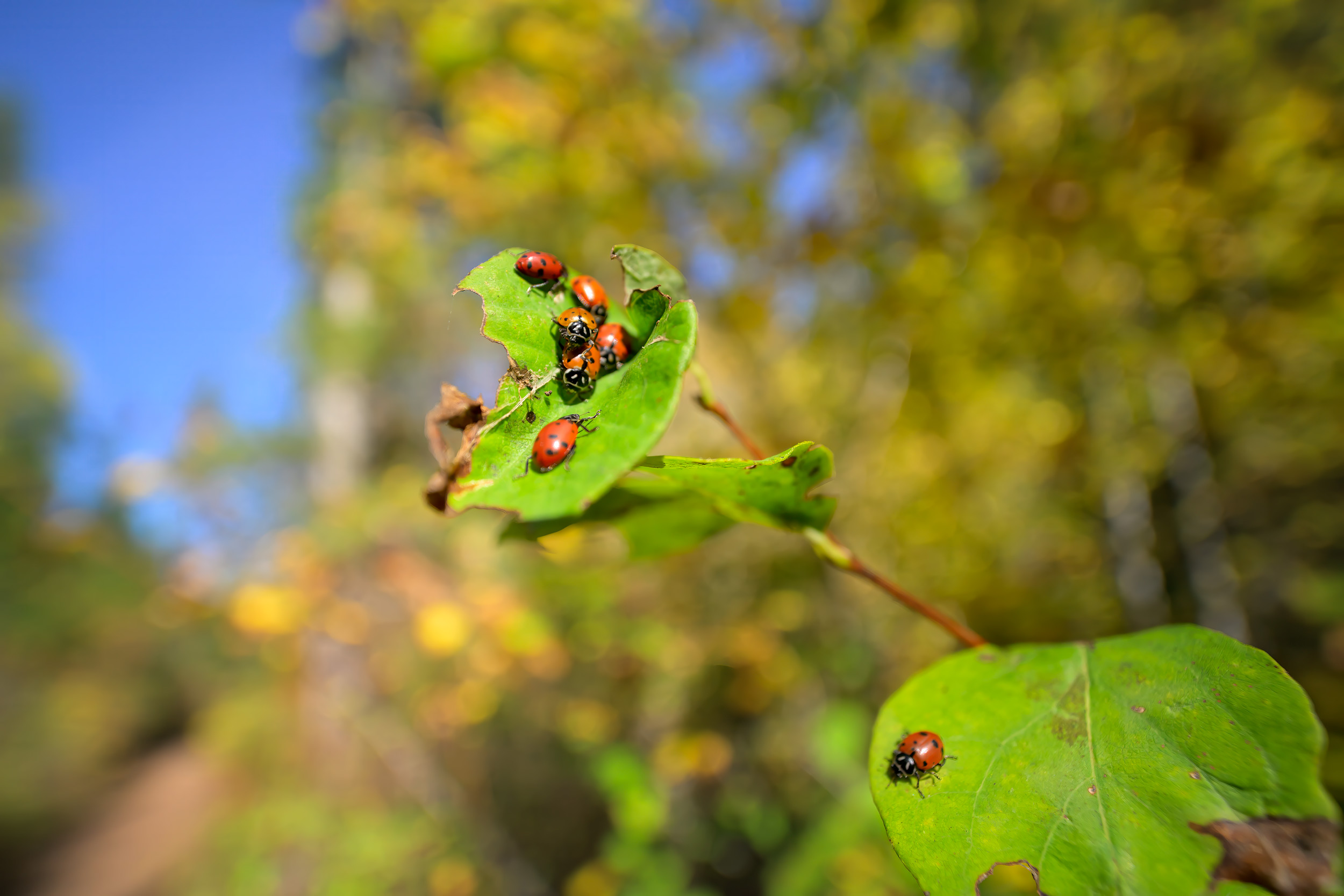
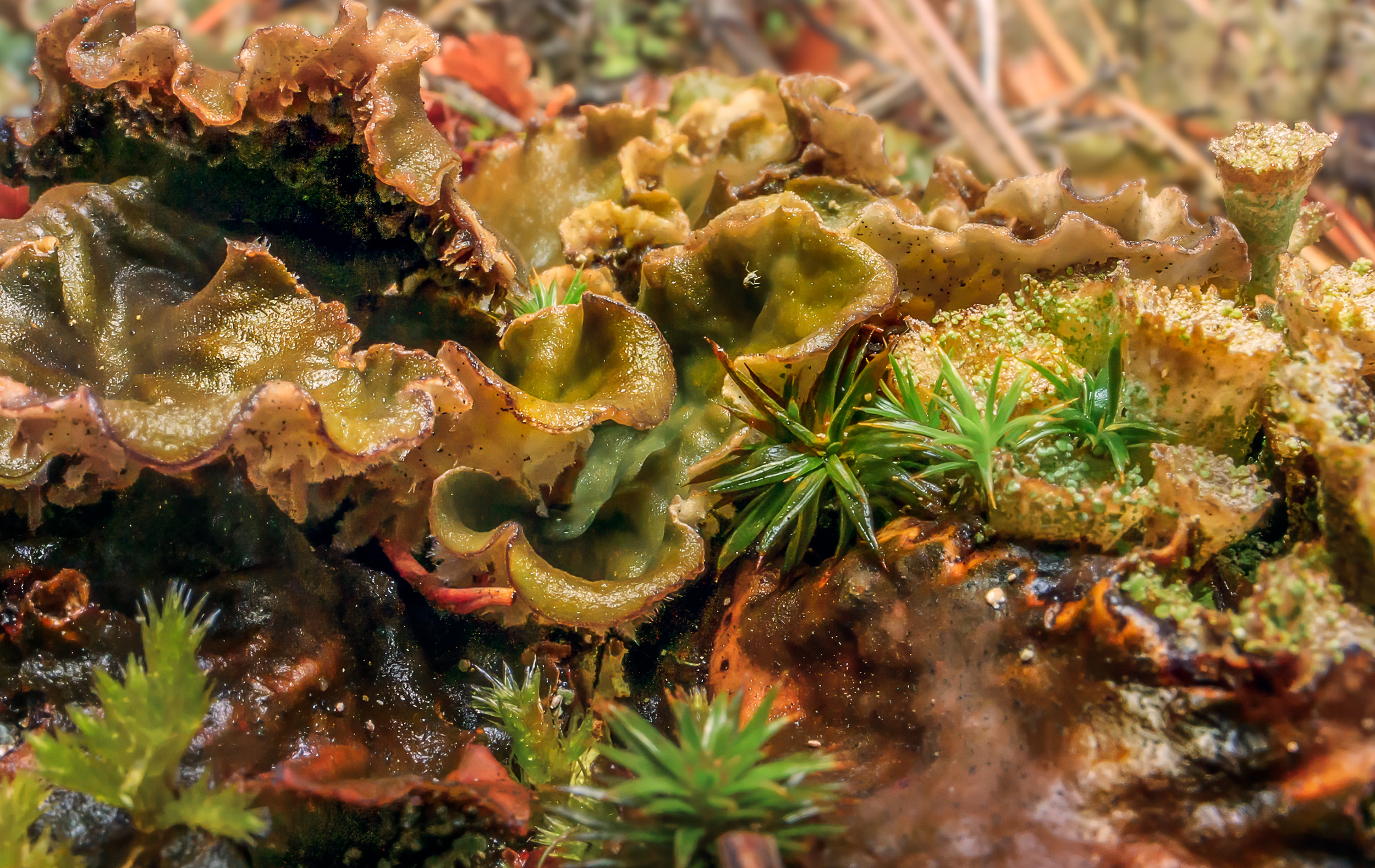
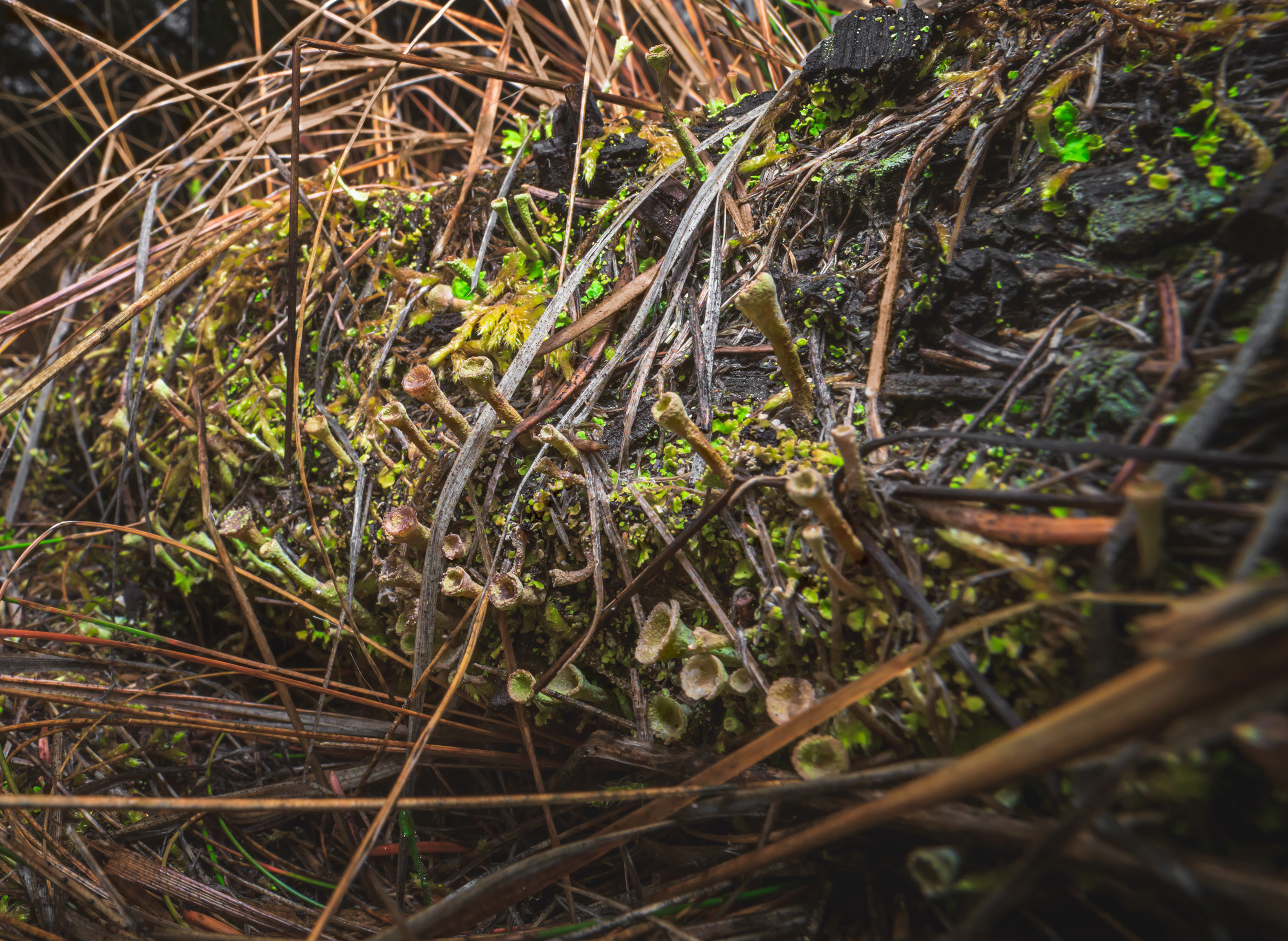
Eventually, your hard work will pay off and you’ll get some images up on your computer that will take your breath away. You will notice things you missed, like insects and maybe some wayward bud or piece of grass that you could have moved in the field but didn’t. Take note of these things and try to look for them next time. These small adjustments will improve your final images and preserve your sanity. 😉